History Fort Lauderdale: Interactive Local History Attraction for Tourists
Discover the Vibrant Past: A Guide to the History Fort Lauderdale Museum Journey
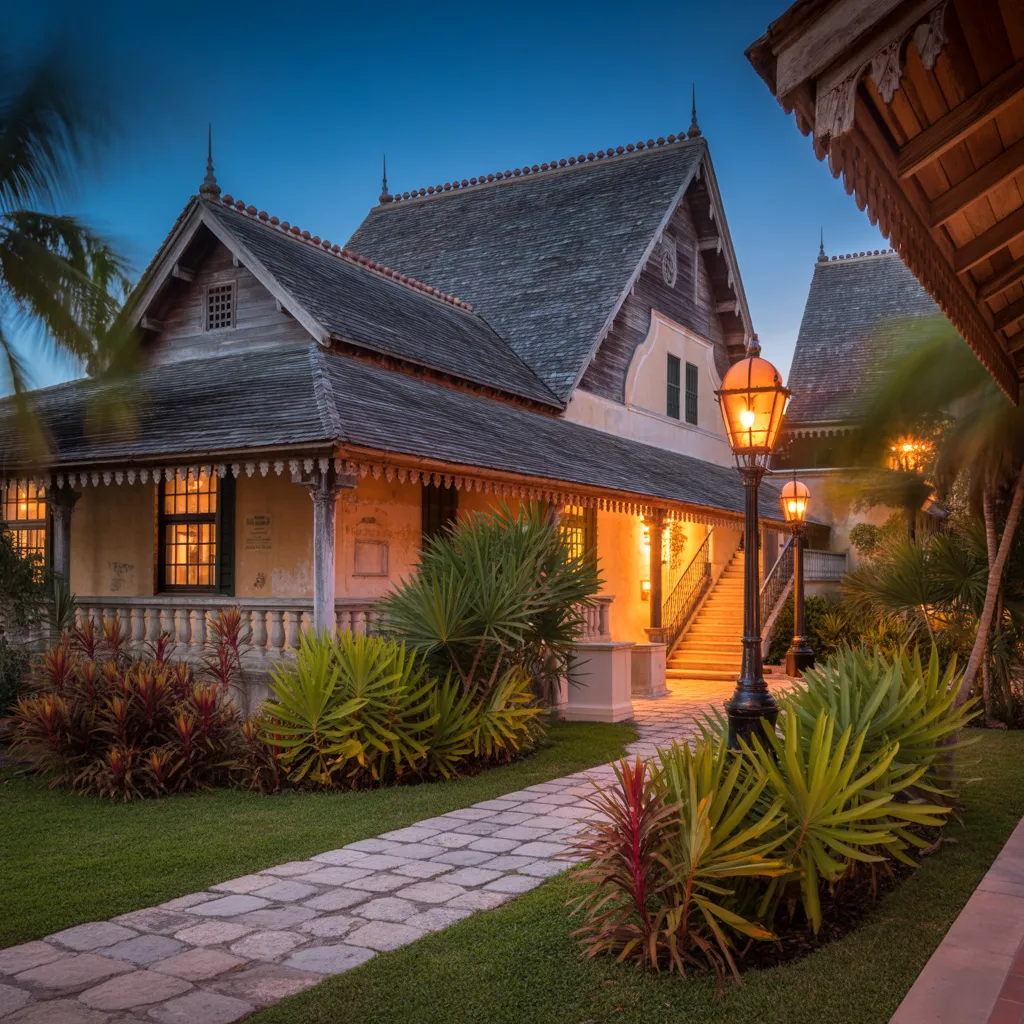
The Fort Lauderdale Museum provides a fascinating view into the city's historical journey. Guests can encounter a variety of objects that illustrate the evolution from a military outpost to a thriving community. Each exhibit presents unique stories of the area's cultural heritage. As visitors explore the museum, they will discover compelling experiences that invite further exploration. What lies within these halls might alter one's perspective on Fort Lauderdale's rich history.
The Origins of Fort Lauderdale
While often associated with its dynamic beaches and nightlife, Fort Lauderdale's origins are rooted in a military history of importance. Created during the Second Seminole War in the 1830s, the area was initially a series of forts constructed to protect settlers and soldiers from Native American attacks. These forts, named after Lieutenant Colonel William Lauderdale, set the groundwork for future development.
The region remained relatively undeveloped until the early 20th century when the coming of the railroad converted it into a burgeoning community. As the population grew, Fort Lauderdale began to develop, drawing in tourists and new residents. The city's strategic position along the Atlantic coast further cemented its significance as a shipping center. By the mid-1900s, Fort Lauderdale started to achieve prominence as a vacation destination, gradually altering its identity from a military outpost to a lively coastal city. This change marked the start of a new era for Fort Lauderdale.
Key Exhibits to Explore
The Fort Lauderdale Museum presents an captivating collection of key exhibits that showcase the region's vibrant history and culture. Visitors can encounter iconic local artifacts, examine historical timeline displays, and admire cultural heritage exhibitions that represent the area's diverse background. Each exhibit provides a unique lens through which to comprehend the evolution of Fort Lauderdale.
Renowned Local Artifacts
The Fort Lauderdale Museum houses numerous iconic local artifacts, each offering a distinctive glimpse into the area's vast history and cultural heritage. Included among the highlights is a gathering of indigenous tools and pottery, displaying the craftsmanship of the area's earliest inhabitants. Moreover, vintage photographs capture the evolution of Fort Lauderdale from a sleepy settlement to a vibrant city. Among the maritime artifacts, shipwreck relics and fishing gear reflect the city’s profound bond with the water. Historic documents and personal letters on display provide an understanding of the lives of important community figures. These artifacts together compose a vivid tapestry of Fort Lauderdale’s history, inviting visitors to connect with its storied past.
Historical Timeline Displays Displays|Sequential Historical Exhibits
Historical chronology displays at the Fort Lauderdale Museum serve as an captivating journey through the city's development. These exhibits meticulously record significant milestones, showcasing Fort Lauderdale’s transformation from a modest settlement to a bustling urban center. Visitors can discover key events, such as the founding of the first post office and the development of the local economy. The exhibits feature informative panels, photographs, and artifacts that provide context and depth to the historical narrative. By connecting past and present, these timelines not only educate but also encourage reflection on the city's deep heritage. Each segment allows guests to value the varied influences that have shaped Fort Lauderdale, making it an important stop for history lovers and casual visitors alike.
Cultural Traditions Events
Cultural heritage displays at the Fort Lauderdale Museum provide a vibrant glimpse into the varied traditions and customs that characterize the community. These exhibits showcase artifacts, artworks, and narratives from various cultural backgrounds, illustrating the rich tapestry of Fort Lauderdale's history. Visitors can discover installations that highlight the influence of Indigenous peoples, the impact of European settlers, and the contributions of Caribbean and Latin American communities. Interactive displays promote engagement, making history approachable and relatable. Special events often complement these exhibitions, featuring traditional music, dance performances, and culinary experiences. Through these cultural presentations, the museum cultivates a deeper comprehension of the area's heritage, promoting appreciation and respect for the myriad cultures that coexist within Fort Lauderdale today.
Immersive Experiences for All Ages
While visiting the Fort Lauderdale Museum, people of every age group can engage in a range of interactive experiences created to ignite wonder and foster learning. The museum offers hands-on exhibits that allow visitors to investigate the region's history through engaging experiences. For children, there are storytelling corners and interactive displays that encourage creative engagement while educating on local culture.
Adults and teens can enjoy digital-based exhibits that utilize immersive AR to bring historical events to life. These encounters not only improve comprehension but also prompt users to contemplate the past in an accessible manner. Furthermore, guided tours often incorporate engaging components, where attendees can participate in conversations, pose questions, and offer perspectives. This commitment to engagement guarantees that every visitor leaves with a deeper appreciation for Fort Lauderdale's historical heritage, making the museum a dynamic educational center for the entire community.
Special Occasions and Programs that are Special|Distinctive Events and Programs
The Fort Lauderdale Museum develops its diverse programming with a multifaceted selection of engaging events and offerings that appeal to various interests and age groups. Continuously throughout the year, the museum conducts topical displays, educational workshops, and speaking engagements featuring renowned historians and experts. These initiatives facilitate community engagement and nurture a deeper understanding of the region's history.
Family-friendly programs such as storytelling sessions and hands-on craft workshops provide interactive learning opportunities that engage younger visitors. Seasonal events like heritage festivals enable participants to explore local culture through music, traditional dance, and authentic food.
Additionally, the museum arranges exclusive curated visits and after-hours events for those seeking a distinctive viewpoint on the exhibits. These programs not only enhance the museum experience but also strengthen connections within the community, making the Fort Lauderdale Museum a dynamic hub for cultural enrichment and historical exploration.
Getting Ready For Your Visit
When planning a visit to the Fort Lauderdale Museum, patrons should examine several key factors to guarantee an enjoyable experience. First, verifying the museum's opening times is essential, as they may vary throughout the week and during holidays. It is advisable to purchase tickets in advance, especially for unique occasions or tours with guides that may have limited availability.
Guests should also familiarize themselves with the museum's setup and displays, which can improve their visit by providing efficient navigation. Packing essentials such as liquids, comfortable footwear, and sun protection is wise, particularly for those exploring outdoor areas.
Additionally, visitors may want to review any current classes or seminars that match their interests, ensuring they don't miss special events. Ultimately, evaluating transportation choices or parking availability can simplify the arrival process, making for a seamless beginning to the museum adventure.
Local Spots to Boost Your Experience
Attendees at the Fort Lauderdale Museum can maximize their experience by investigating various neighboring attractions. The Historic Stranahan House delivers a glimpse on the city's heritage, whereas the Riverwalk Arts & Entertainment district delivers energetic cultural events. In addition, the Bonnet House Museum highlights stunning architecture and lush gardens, making it a perfect pairing with a day brimming with art and history.
Stranahan House Historical
Located a short distance from the vibrant Fort Lauderdale Museum Experience, the Historic Stranahan House offers a peek into the area's rich history. As the most ancient existing structure in Broward County, this house, built in 1901, was the home of Frank and Ivy Stranahan, early pioneers who held key roles History Fort Lauderdale map in the community's development. Visitors can explore the elegantly preserved rooms, which present original furnishings and artifacts that reflect life in the early 20th century. Guided tours offer intriguing insights into the Stranahans' achievements to Fort Lauderdale's growth. The beautiful surroundings along the New River enhance the experience, making it a perfect supplement to the nearby museum, enriching one's understanding of Fort Lauderdale's historical narrative.
Riverwalk Arts & Entertainment features artistic events
How does one fully appreciate the lively culture of Fort Lauderdale without spending time at the Riverwalk Arts & Entertainment district? This lively area showcases an array of artistic expressions, from galleries featuring local artists to performance spaces hosting live music and theater. Tourists can stroll along the scenic waterfront, soaking in the beautiful views and joining outdoor events that showcase the city's dynamic creative scene. At the Riverwalk, visitors can find dining choices that reflect the diverse culinary landscape of the region. The presence of cultural institutions like the Broward Center for the Performing Arts and the Museum of Discovery and Science nearby makes the Riverwalk an prime center for those eager to engage deeply Fort Lauderdale's thriving arts and culture scene.
Bonnet House Museum is a historic estate that displays outstanding design and art.
The Riverwalk Arts & Entertainment district serves as an excellent starting point for discovering the abundant cultural attractions of Fort Lauderdale, and just a short distance away lies the Bonnet House Museum. This heritage estate, situated on a verdant, tropical beachfront, embodies the artistry and spirit of its original owners, Frederic and Evelyn Bartlett. Visitors can explore the meticulously maintained home and its eclectic art collection, which reflects a fusion of European and Caribbean influences. The surrounding gardens, featuring native flora and a variety of wildlife, offer a serene escape into nature. Guided tours offer insights into the estate's history and architecture, making it a perfect addition to the vibrant cultural scene in Fort Lauderdale.
Regular Inquiries
What Hours Does the Museum Operate?
The museum operates from 10 AM to 5 PM, Tuesday through Saturday, and is shut on Sundays and Mondays. These time slots present ample opportunity for patrons to examine the exhibits and discover the local history.
What is the Entry Cost for Visiting the Museum?
The museum imposes an entrance fee on people. This cost assists with the maintenance and operation of the complex, sustaining learning programs and protecting the exhibits that demonstrate the historical richness of the area.
Can guests join guided tours?
Yes, led tours are accessible for visitors. These tours deliver an detailed investigation of the museum's exhibits and history, enriching the overall experience by presenting insights that independent browsing may not supply.
Is it possible to bring Food or Drinks to the Museum?
Guests are typically not allowed to bring food or drinks into the museum. It is wise to check the institution's particular rules for any allowances or designated areas where food and drinks could be enjoyed during their tour.
Can people with mobility devices access the Museum easily?
The museum can be accessed wheelchair users, containing ramps, designated parking, and elevators. Staff members are ready to offer help with any supplementary needs, providing a satisfying and embracing experience for all visitors.